When to visit La Garrotxa: the best months
Learn when to visit la garrotxa for walking, autumn colours, swimming or quiet villages, with honest month-by-month advice for planning your trip.
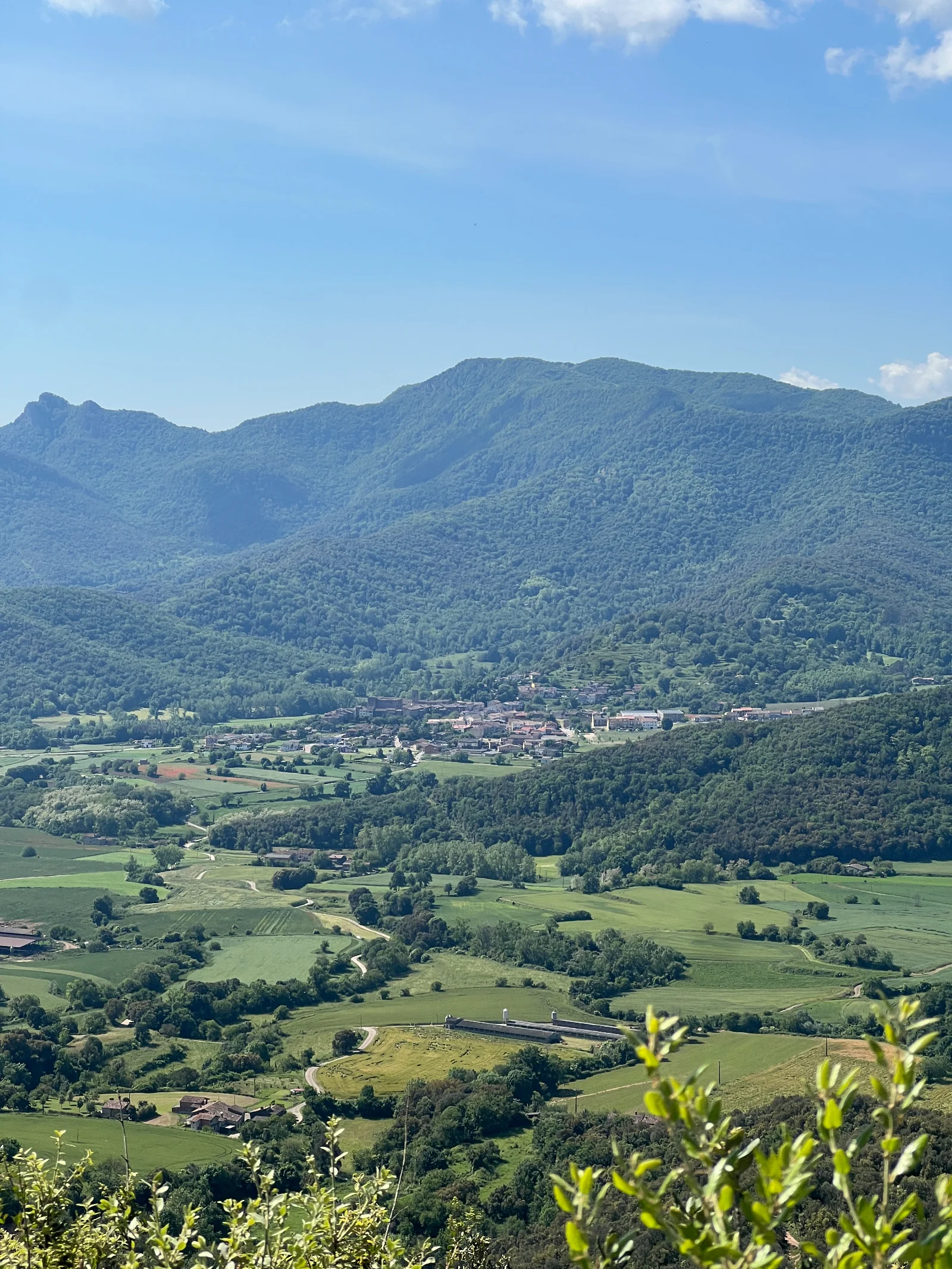
If you can choose your dates, May, June, September and October provide the best overall balance for a trip to La Garrotxa. Temperatures are generally suitable for walking, the landscape is active and there is enough daylight to explore without negotiating every outing with heat or darkness.
That does not make the rest of the year unsuitable. July and August work for natural pools and family holidays, although they require more booking and earlier starts. Winter brings quiet villages, substantial food and uncrowded paths. Autumn provides the most sought-after colours, along with plenty of people seeking precisely the same photograph.
There is no perfect month. There is a suitable month for each kind of trip.
Why the month genuinely matters
La Garrotxa is humid, green and meteorologically changeable. That moisture maintains its forests, but it also means rain, mud, fog and sudden changes of weather throughout the year.
Conditions vary across the region. Olot and the volcanic area do not experience exactly the same weather as the higher ground of Alta Garrotxa or Puigsacalm. A mild morning in Santa Pau can coincide with strong wind on a nearby ridge.
The season also changes the social experience. Besalú on a February Tuesday and la Fageda d'en Jordà on an October Saturday can feel like two separate destinations. The landscape matters. Other people's calendars matter too.
The short answer
If you do not want the complete month-by-month explanation, remember this:
- May: intensely green forests, good walking and a real chance of rain.
- June: long days and a useful balance before peak summer demand.
- September: milder temperatures and plenty of hiking options.
- October: autumn atmosphere, with very busy weekends.
- July and August: best for swimming and worst for midday hiking.
- January and February: quiet, cold and more limited in the mountains.
Our general choice would be May or September. For autumn colour in la Fageda, consider October or November, remembering that leaves do not consult the tourism calendar before changing.
Spring: green landscapes, water and variable weather
March
March is transitional. It can provide bright, mild days, but also cold mornings, rain and winter conditions on higher ground. We would not organise the entire trip around swimming or a major mountain route without checking the forecast.
Visitor numbers are low, and villages retain their everyday pace. It is a good time for Olot, Besalú, Castellfollit de la Roca and easier low-level walks.
April and May
April and May show one of the region's finest versions. Forests regain their leaves, meadows become vividly green and rivers and waterfalls are often more interesting than they are at the end of summer.
Rain is part of the arrangement. Bring a waterproof jacket, footwear that accepts mud and an alternative plan. Espai Cràter, Olot's museums or a long lunch manage a downpour better than continuing to walk angrily through it.
May is our favourite month for combining la Fageda d'en Jordà, the volcanoes, the Vall d'en Bas and moderate mountain walks. Do not assume every day will be warm and dry. The region has signed no such agreement.
Summer: long days, swimming and more planning
June
June provides generous daylight and enough time to combine walking, villages and dinner without ending the day too early. The first part of the month often feels calmer than the central summer weeks.
It is a good period for Puigsacalm, Alta Garrotxa and the Carrilet greenway, always after checking the forecast. Thunderstorms can develop, and higher routes remain exposed.
July and August
In July and August, the gorgs of les Planes d'Hostoles and other natural swimming areas become especially popular. Access may be regulated and require advance booking. Check current official conditions before driving there.
Start walks early. La Fageda offers shade, but Santa Margarida, Croscat and many other routes contain exposed sections. Hiking at midday awards no special medal for persistence.
August brings greater demand, traffic and accommodation occupancy. Book places to stay and restaurants ahead, particularly for weekends and holidays. Seeking absolute silence in August is not bold planning. It is a contradiction.
Autumn: famous colours and the people who come to see them
September
September is one of the most versatile months. The heat normally begins to weaken, days remain reasonably long and walking becomes more comfortable. It is a strong choice for combining volcanoes, villages and mountain scenery.
Do not assume the natural pools will have the same water levels as in spring. Do not expect autumn foliage on the first day of the month either. September is a transition, not an instant stage set.
October and November
October and November are associated with autumn colour in la Fageda d'en Jordà. The change depends on temperature, rain and wind, so no particular weekend can guarantee ideal conditions.
When the forest reaches its visual peak, the access areas become extremely busy. Visit on a weekday or arrive early. Walk beyond the first paths, and the experience usually changes considerably.
November brings shorter days and more unsettled weather. It is also an excellent month for food: fesols de Santa Pau, mushrooms when conditions allow, slow stews and game dishes. In heavy rain, a reserved table begins to look like a perfectly serious cultural activity.
Winter: fewer visitors and more common sense
December, January and February
Winter provides a quieter La Garrotxa. Besalú, Santa Pau and Castellfollit de la Roca are easier to explore without crowds, while Olot makes a practical base for combining short walks, museums and restaurants.
Without leaves, la Fageda reveals more of its volcanic relief. It does not resemble the famous autumn photographs, but taking a picture rarely requires waiting for someone else to finish theirs.
Mornings can be cold, foggy or frosty. Puigsacalm and other higher areas may have snow, ice and wind. Do not turn a summer hike into a winter plan merely by using the same GPS file.
Days are short. Leave a sensible margin for the return and carry warm clothing, even when the sun looks convincing from the car park.
Choosing a month for your priorities
- First visit: May, June or September.
- Walking: May, June, September and October.
- Autumn colour in la Fageda: October or November, without guarantees.
- Swimming in natural pools: July or August, after checking access rules.
- Avoiding crowds: January, February, March or weekdays outside holidays.
- Seasonal food: autumn and winter.
- Travelling with children: May, June or September usually offer the best balance.
- Atmospheric fog photography: autumn and winter, accepting that views may disappear.
The local advice
Avoiding crowds does not require discovering a secret month. Visit during the week, begin early and avoid building the entire itinerary around the same three car parks as everybody else.
In autumn, visit la Fageda first and leave Santa Pau until later. In summer, walk during the morning and use the afternoon for a village, museum or authorised swim. In winter, prioritise shorter routes and do not assume you will finish in daylight after starting late.
No noise. No rush. Preferably on a weekday.
Practical information
What to bring throughout the year
Always carry a waterproof layer, footwear with reliable grip and something warm. Add sun protection and sufficient water, including on cloudy days.
Download maps and routes for offline use. Before hiking, check the mountain forecast, current trail conditions and available daylight.
Reservations and access
The natural pools, Sadernes and other protected spaces may have seasonal access controls. Rules and regulated periods change, so consult official information for each visit.
La Fageda d'en Jordà and Santa Margarida also receive heavy demand even when advance booking is not required. No reservation does not mean unlimited parking.
How long to stay
Two days allow enough time for the volcanic area and several villages. Three or four days create a more balanced trip, adding the Vall d'en Bas, Besalú or a longer walk.
When bad weather cancels an activity, do not attempt to recover every missed plan the following day. Your itinerary does not need revenge on the rain.
While you are here
In spring and summer, combine the volcanic area with the Vall d'en Bas or the Carrilet greenway. During autumn, add Santa Pau and a seasonal lunch. In winter, Olot, Besalú and Castellfollit de la Roca form a practical route with indoor alternatives.
The best month depends on the trip, but May and September are our easiest recommendations. If August or January is your only opportunity, come anyway and adapt the plan. La Garrotxa does not close between seasons. It simply requires attention.